
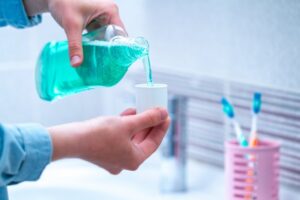
Mouthwash is a helpful addition to your oral hygiene routine, offering benefits such as freshening breath, reducing bacteria, strengthening enamel, and helping prevent gum disease. However, many people are unsure about how much mouthwash they should use to get the best results. Using the proper amount ensures effectiveness while avoiding unnecessary waste or irritation. Here is a helpful guide to using mouthwash correctly.
Follow the Instructions on the Label
The first and most important step is to check the instructions on your mouthwash bottle. Different types of mouthwash contain different active ingredients, and recommended amounts can vary depending on the product. Most over-the-counter mouthwashes suggest using between 10 to 20 milliliters, which is typically about 2 to 4 teaspoons or one standard capful.
Many mouthwash caps are designed to help you measure the correct amount. Avoid guessing or pouring freely, as using too much mouthwash does not improve effectiveness and may increase the risk of irritation or dryness.
Why Using the Right Amount Matters
Using the correct amount of mouthwash allows the active ingredients to properly coat your teeth, gums, and tongue. Mouthwash is formulated to deliver specific benefits, such as killing harmful bacteria, strengthening enamel with fluoride, or reducing plaque buildup. When used in the recommended quantity, mouthwash can effectively reach all areas of your mouth.
Using too little mouthwash may not provide full coverage, which can limit its benefits. On the other hand, using too much mouthwash can sometimes cause side effects such as mouth irritation, dryness, or altered taste sensation. Sticking to the recommended amount helps maintain balance and protects your oral tissues.
How to Use Mouthwash Properly
After measuring the correct amount, pour the mouthwash into your mouth and swish it around thoroughly. Make sure to move the liquid between your teeth and along your gums. Most mouthwashes recommend swishing for about 30 to 60 seconds. Avoid swallowing mouthwash, as it is meant to be spit out after use.
For best results, avoid eating, drinking, or rinsing your mouth with water immediately after using mouthwash. This allows the active ingredients to continue working on your teeth and gums.
When to Use Mouthwash in Your Routine
Mouthwash is most effective when used after brushing and flossing. Brushing removes plaque and debris from the tooth surface, while flossing cleans between teeth. Mouthwash then helps reach areas that brushing and flossing may miss, providing additional protection.
Not all mouthwashes serve the same purpose. Some are designed for cavity prevention, while others focus on gum health or sensitivity relief. Your dentist can recommend the best type of mouthwash for your specific oral health goals.
About the Author
Dr. Jeffrey Skupny earned his Doctor of Dental Medicine from the prestigious University of Florida College of Dentistry in 2007. He is a past President of the Collier County Dental Association, and a proud of several organizations including the Academy of General Dentistry. Dr. Skupny has also participated in extensive continuing education through his career, taking courses through Spear Education, the Dawson Academy, and more. If you’re in need of excellent preventive care, we’d love to help maintain your healthy foundation. Contact us online for an appointment or call our Naples office at (239) 261-5566.